Breakfast
Oat Porridge With Roasted Pears
A small pan of oats, two pears in a hot oven, and a bowl that holds together on the spoon.
A short digest of everyday cooking, with plain ingredients, honest timings, and one practical tip attached to each dish in the list.

A small pan of oats, two pears in a hot oven, and a bowl that holds together on the spoon.

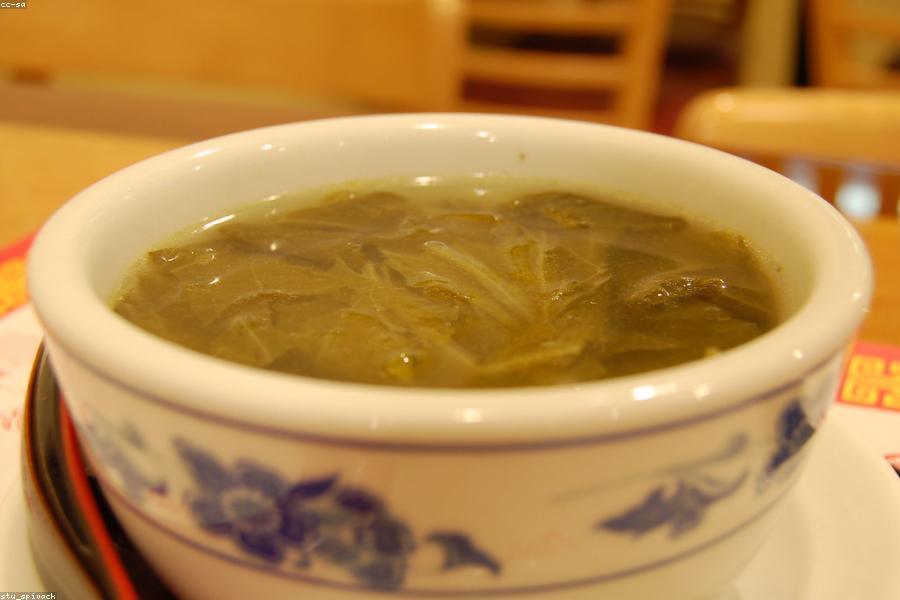
Red lentils collapse in twenty minutes, which makes this a soup you can start after getting home.

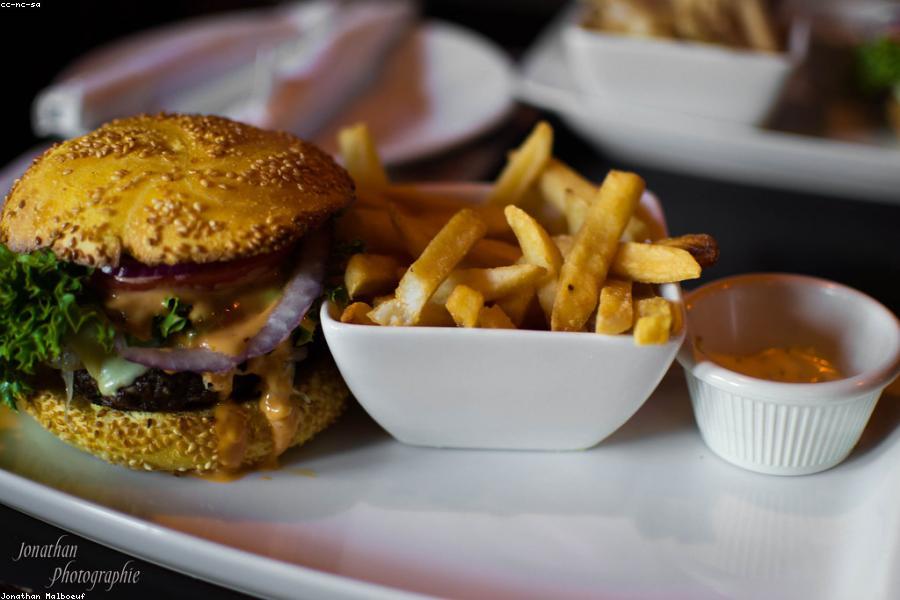
Four thighs, one heavy pan, and twenty minutes in the oven while the lemon slices caramelise.
Flour, yoghurt and baking powder, rested twenty minutes, then two minutes a side over a hot pan.
Rolled oats and water in a ratio of one to three give a porridge that holds its shape on the spoon. Put 80 grams of oats and 240 millilitres of water in a small heavy pan with a good pinch of salt, and set it over medium heat. Stir every half minute for the first two minutes, then less often. After about eight minutes the starch has loosened and the mixture pulls away from the sides of the pan in one soft mass.
While that happens, halve two firm pears, scoop the cores out with a teaspoon, and lay them cut side up in a small oven dish. A teaspoon of butter on each half, a scrape of nutmeg, and twenty minutes in a hot oven is enough. The cut edges brown and juice collects in the corners of the dish. That juice is worth pouring over the bowl at the end.
Milk can replace half the water if you want a richer texture, but add it in the last three minutes. Milk poured in at the start tends to catch on the base and taste faintly scorched, and no amount of fruit on top hides it. Salt goes in early, with the oats. Without it the whole bowl reads flat.
Finish with a spoonful of sunflower seeds toasted dry in a small frying pan for two minutes, shaken often. They give the contrast that porridge otherwise lacks. If the porridge stiffens while you plate the pears, stir in a tablespoon of hot water and it comes back at once. Two people eat well from this; one person eats twice.
Red lentils cook down in under twenty-five minutes, which is why this soup belongs to a weekday rather than a weekend. Start with one onion, one carrot and two sticks of celery, all diced small, in two tablespoons of olive oil over medium heat. Give them ten minutes with the lid half on. They should soften without colouring; once the onion browns, the whole pot leans sweet and the lentils lose their savoury edge.
Add a teaspoon of ground cumin and stir it for thirty seconds so it wakes up in the oil. Then in go 200 grams of rinsed red lentils, a tin of chopped tomatoes and a litre of water or light stock. Bring it up to a simmer and hold it at a low bubble for twenty minutes, stirring now and then so nothing settles. The lentils will collapse. That is the point. Break up any remaining lumps with the back of a wooden spoon.
Season at the end, not the beginning. Lentils absorb salt unevenly while they cook, and a pot salted early often tastes both flat and oversalted at once. Add salt in three stages, tasting between them, then the juice of half a lemon. The lemon is not optional; without acid the soup sits heavy on the tongue.
It thickens in the fridge overnight into something closer to a puree, and a splash of water on reheating loosens it again. A spoonful of plain yoghurt stirred in at the table, plus a little chopped parsley, is as much garnish as it needs. Bread torn rather than sliced seems to suit it better, for reasons that are probably just habit.
Bone-in chicken thighs suit a skillet better than breasts, because the skin has time to render before the meat dries out. Pat four thighs dry with paper towel, salt them on both sides, and leave them on a plate for fifteen minutes while the oven heats to 200 degrees. Surface moisture is the reason skin steams instead of crisping, and fifteen minutes of air does more than any technique in the pan.
Set a heavy ovenproof pan over medium heat with a thin film of oil. Lay the thighs in skin side down, then leave them alone for twelve minutes. There is a strong urge to move them around; resist it. When the skin releases from the metal by itself, it is ready to turn. Pour off most of the rendered fat, then add six sprigs of thyme, four unpeeled garlic cloves crushed under the flat of a knife, and half a lemon cut into thick slices.
Slide the pan into the oven for eighteen to twenty minutes. The lemon slices darken at the edges and the garlic softens enough to squeeze out of its skin with a fork. Test the thickest thigh close to the bone: the juices should run clear and the meat should pull away without resistance.
Rest the chicken on a warm plate for five minutes. Meanwhile put the pan back over low heat with a splash of water, scrape the browned bits loose, and squeeze in the juice of the roasted lemon halves. That gives about four tablespoons of sharp, savoury liquid. It is not a gravy, just enough to spoon across the top. Boiled potatoes or a plain green salad is the right partner here; anything busier competes with the thyme.
These flatbreads use no yeast and need no proving, which puts them within reach of a Tuesday. Mix 250 grams of plain flour with a teaspoon of baking powder and half a teaspoon of salt in a wide bowl. Add 200 grams of thick plain yoghurt and bring it together with your hands. The dough will look shaggy and slightly dry at first; keep working it for two minutes and it turns smooth. If it still crumbles, a tablespoon of water is enough to fix it.
Cover the bowl with a plate and leave it for twenty minutes. Nothing dramatic happens in that time, but the flour hydrates and the dough stops fighting the rolling pin. Divide it into six pieces, roll each into a rough circle about three millimetres thick, and dust off the excess flour. Loose flour scorches in the pan and leaves a bitter dust on the finished bread.
Heat a heavy frying pan over medium-high heat with nothing in it. Lay one circle down and watch: within a minute the surface dulls and small bubbles lift under it. Turn it after roughly ninety seconds, when the underside shows dark spots the size of a coin, and give the second side about the same. If the spots appear in ten seconds the pan is too hot, and the middle will stay raw.
Six flatbreads take around fifteen minutes in total. They are best within the hour, warm and folded around almost anything savoury, but a reheat of thirty seconds a side brings back most of the softness the next day. Brushing the hot bread with melted butter and a little crushed garlic is an easy addition and needs no extra cooking.
Every dish in this digest is cooked at least three times in an ordinary home kitchen, on a four-burner stove, with a single knife and one heavy pan. We measure in cups and spoons, then weigh the same amounts so both habits work. Timings are recorded with a plain timer, not estimated afterwards. If a step needs more attention than it deserves, we cut it. Notes are written the same evening, while the smell is still in the room, and two other cooks repeat the dish before we publish.
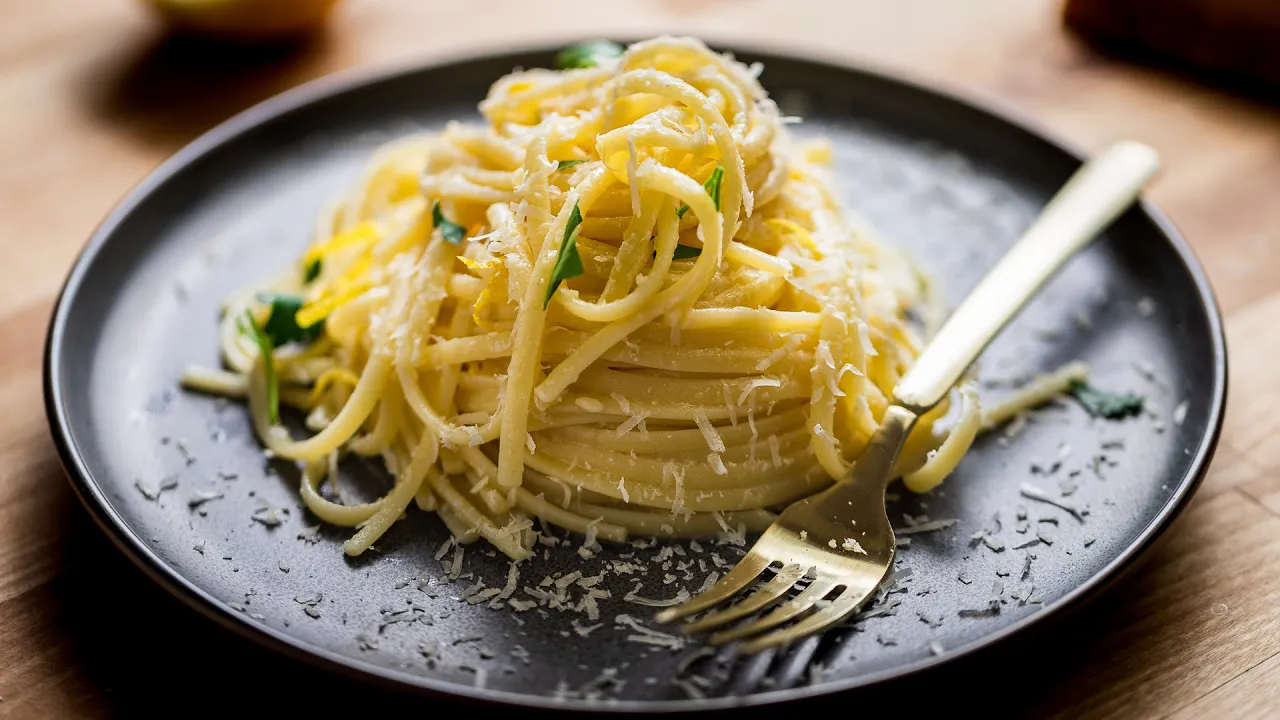
A single hot tray, two cheap ingredients and half an hour of oven time make a supper that also works cold.
Red lentils need no soaking and collapse into softness quickly, which makes this the easiest weeknight pot in the kitchen.
Oily fish, a hot pan and a slow heap of onions; the whole dish takes about twenty minutes from fridge to fork.
Rolled oats give these pancakes body and a nutty edge, and the batter comes together in one bowl with a fork.
Six medium carrots feed two people with something left over. Scrub them, leave the skins on, and cut them lengthways into halves or quarters so every piece has a flat side. Flat sides brown. Round pieces only steam. Drain a tin of chickpeas, rinse them, then spread them on a tea towel for a minute, because wet chickpeas turn soft in the oven instead of crisp.
Heat the oven to 210 C with the empty tray already inside. Toss the carrots and chickpeas with three tablespoons of oil, a teaspoon of ground coriander, salt and a small pinch of chilli flakes. Tip everything onto the hot tray in one layer and listen for the hiss. Roast for twenty minutes, shake the tray once, then roast another ten to fifteen. The carrots should give at the thickest end and look dark at the edges; the chickpeas should rattle when the tray moves.
While the oven works, stir two heaped spoons of thick yoghurt with the juice of half a lemon, a grated clove of garlic and a little salt. Spread it across a wide plate rather than a bowl, then pile the hot vegetables on top so the yoghurt loosens underneath. Scatter chopped parsley over the lot, and toasted sesame seeds if there are any in the cupboard.
Leftovers behave well. Cold roasted carrots chopped small, with the chickpeas and another squeeze of lemon, fill a sandwich or sit happily on yesterday's rice. If the tray looks crowded, use two. Crowding is the most common reason roasted vegetables come out pale and limp, and extra time in the oven never repairs it.
Red lentils forgive a distracted cook. They need no soaking, they cook in about twenty minutes, and they thicken a pot without any flour or cream. Keep a bag in the cupboard and dinner is never more than half an hour away.
Start with one large onion chopped small, in two tablespoons of oil over medium heat. Give it eight minutes, until it is soft and just turning gold at the edges. Add a grated carrot, a teaspoon of cumin seeds and a teaspoon of sweet paprika, and stir for one minute so the spices toast in the fat instead of sitting raw in the liquid. Then add a tin of chopped tomatoes, two hundred grams of rinsed red lentils and a litre of water or light stock.
Bring it to a boil, drop the heat and hold a lazy simmer for twenty to twenty-five minutes. Stir the bottom now and then, since lentils settle and catch. When the grains have lost their shape, season with salt, a good grind of pepper and the juice of half a lemon. The lemon is not decoration. Without acid the soup tastes flat and heavy however much salt goes in.
Serve it with a spoonful of yoghurt stirred through and something crisp alongside: a slice of bread fried in olive oil, or plain toast rubbed with a cut garlic clove. The soup stiffens as it cools and by the next day it is almost spreadable, which is a sign of good lentils rather than a mistake. Warm it slowly, add hot water by the ladleful, and taste for lemon again before it reaches the table.
Mackerel rewards buying carefully. Look for firm flesh, clear eyes if the fish is whole, and a smell of clean sea water rather than anything sharper. Two fillets per person is generous. Ask for them to be filleted and pin-boned at the counter if the idea of tweezers puts you off.
The onions go first, because they take the longest. Slice two medium onions into thin half-moons and cook them in a heavy pan with a tablespoon of oil and a good pinch of salt. Keep the heat at medium-low and stir every few minutes for fifteen to eighteen minutes, until they are limp, sweet and the colour of weak tea. A teaspoon of red wine vinegar at the end wakes them up. Scrape them into a bowl and wipe the pan.
Pat the fillets dry, then season the skin side with salt. Heat the same pan until a drop of water skitters, add a thin film of oil, and lay the fillets in skin down. Press each one flat with a spatula for the first ten seconds so the skin does not curl away from the metal. Cook three to four minutes without moving them. The flesh turns pale from the bottom up; when that paleness reaches within a few millimetres of the top, turn them and give them forty seconds more.
Spoon the onions onto warm plates, set the fish on top skin side up, and add a wedge of lemon and boiled potatoes. Do not cover the fish while it waits, or the crisp skin you worked for goes soft in a minute. If there is fat left in the pan, tip a spoonful over the potatoes.
These are the sturdy sort of pancake, closer to a small cake than a crepe. One bowl, a fork and about twenty minutes of standing at the stove will produce eight of them, enough for two hungry people or three polite ones.
In the bowl, mix a hundred grams of rolled oats, a hundred grams of plain flour, a teaspoon of baking powder, a tablespoon of sugar and a pinch of salt. Pour in two hundred and fifty millilitres of buttermilk or plain yoghurt loosened with milk, then add one egg and two tablespoons of melted butter. Stir until the dry patches disappear and stop there. Lumps are fine; over-mixing makes the pancakes tough and rubbery. Leave the bowl alone for fifteen minutes while the kettle boils and the plates warm.
Set a heavy frying pan over medium heat and brush it with a little butter. Spoon in the batter, about two tablespoons for each pancake, and leave space between them. Cook two to three minutes, until bubbles break across the surface and the edges look dry, then turn them and give ninety seconds on the second side. The first one is always a test; adjust the heat after it and the rest will match.
Grated apple stirred into the batter suits them, as does a handful of blueberries dropped on each pancake just after it hits the pan. Serve with yoghurt and honey, or with nothing but butter. Any that survive keep two days in a tin and reheat in a dry pan in under a minute, which is faster and better than the toaster, where the oats tend to scorch.
I cooked the lentil and carrot pot on Sunday and had lunch ready for three days. The tip about salting the lentils late made a real difference in texture. My flatmate asked for the timings, so I wrote them on the kitchen door.
The note about resting the pan before adding onions sounds small, but it changed how my kitchen smells. No more scorched edges. I now keep a wooden spoon and a small bowl of salt beside the stove, and dinner takes about twenty minutes.
I have been baking the same loaf for years and never thought to cover the dough with a damp cloth during the second rise. The crust came out thinner and the crumb softer. My daughter ate four slices before it had cooled properly.